
Celebrities
David Hefner: The Private Life of Hugh Hefner’s Eldest Son


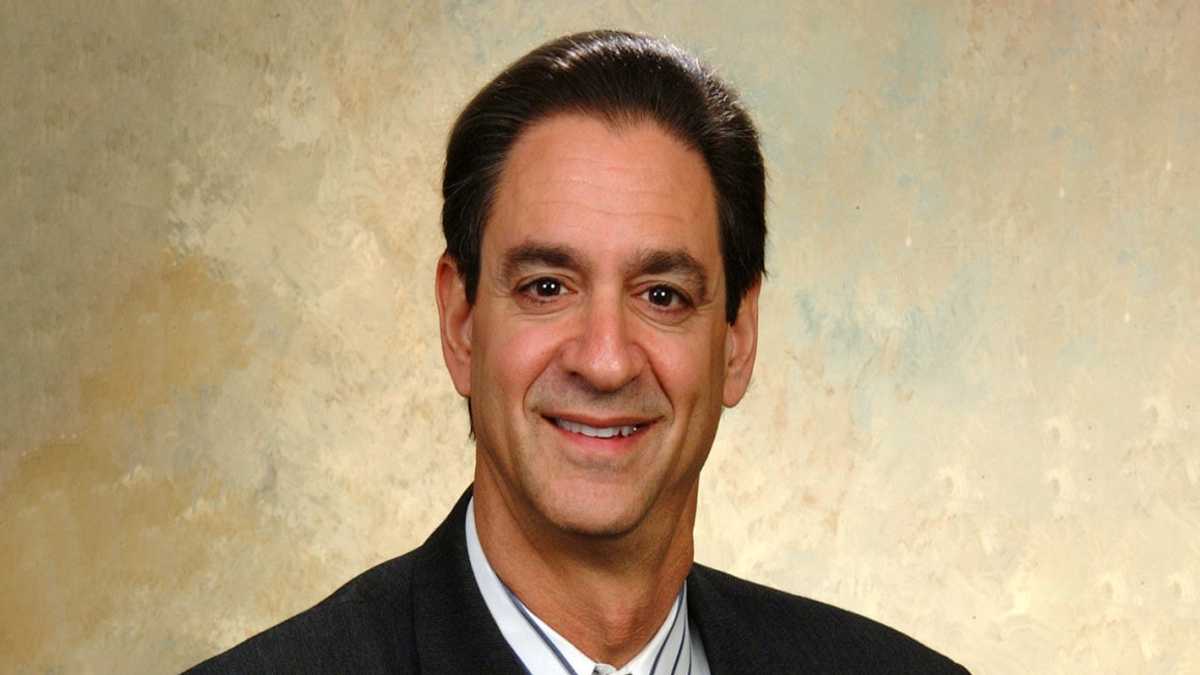
For someone connected to one of the most recognizable names in American publishing, David Hefner has lived an unusually private life. As the eldest son of Playboy founder Hugh Hefner, he grew up with a famous last name but chose a path that was remarkably different from his father’s.
Unlike several members of the Hefner family who became involved with Playboy Enterprises or embraced public attention, David has largely stayed out of the spotlight. That decision has only fueled curiosity about his life, career, and relationship with the famous Hefner legacy.
Because David rarely gives interviews or appears in the media, reliable information about him is relatively limited. What is publicly known paints the picture of a man who preferred building his own professional identity rather than living in the shadow of a globally recognized family name.
This article explores his background, family, career, and why he remains one of the least publicly known members of the Hefner family.
Quick Facts About David Hefner
| Fact | Information |
|---|---|
| Full Name | David Hefner |
| Date of Birth | August 30, 1955 |
| Nationality | American |
| Parents | Hugh Hefner and Mildred “Millie” Williams |
| Siblings | Christie Hefner, Marston Hefner, Cooper Hefner |
| Profession | Reportedly a computer programmer and technology professional |
| Known For | Being Hugh Hefner’s eldest son |
| Public Profile | Very private |
Growing Up in the Hefner Family
David Hefner was born on August 30, 1955, during Hugh Hefner’s first marriage to Mildred “Millie” Williams. He was the couple’s second child after daughter Christie Hefner.
Although Hugh Hefner would later become famous worldwide through Playboy magazine, David spent much of his early childhood before the Playboy empire reached its greatest cultural influence.
His parents divorced in 1959 after roughly a decade of marriage. Following the divorce, David and his sister continued their lives largely outside the growing media attention surrounding their father.
A Family Known Around the World
The Hefner family eventually grew larger after Hugh Hefner married Kimberley Conrad.
David’s family includes:
- Christie Hefner
- Marston Hefner
- Cooper Hefner
Each sibling took a different path.
Christie became one of the most recognizable executives at Playboy, serving as CEO for more than two decades. Cooper later joined the company in leadership roles and has remained publicly associated with the Playboy brand. David, however, chose something entirely different.
Why David Hefner Chose a Private Life
One of the most distinctive aspects of David Hefner is how successfully he has avoided public attention.
While his father’s life was documented in magazines, television shows, documentaries, and interviews, David has rarely appeared publicly.
There are very few verified photographs of him from adulthood, and he has not maintained the kind of public profile often associated with celebrity families.
People magazine has reported that David intentionally lives away from the Playboy lifestyle and has generally preferred privacy over publicity.
That decision has led to frequent online searches, with many people wondering why so little information exists about him.
The simplest explanation appears to be that he has deliberately chosen a quieter life.
David Hefner’s Career
Reliable public information about David’s professional career is limited.
Several reputable entertainment publications report that he has worked as a computer programmer or in computer consulting rather than entering publishing or entertainment.
Unlike his father, whose career centered on media and publishing, David reportedly focused on technology.
Some biographies also mention that he has been involved with independent film production. However, because David rarely discusses his work publicly, many of these details cannot be independently verified through official statements.
This lack of publicity has contributed to his reputation as the most private member of the Hefner family.
His Relationship With Hugh Hefner
Public details regarding David’s relationship with his father remain limited.
Hugh Hefner acknowledged in interviews that David preferred to establish his own identity rather than rely on the famous family name. According to reports, David even chose not to use “Hefner” as his everyday surname for a period of his life, something Hugh said he understood and respected.
That decision reflected a broader desire to build an independent life rather than constantly be compared to the Playboy founder.
Unlike his sister Christie, who eventually joined Playboy Enterprises, David never became publicly involved in managing the company.
Living Outside the Playboy Legacy
Many children of famous parents either embrace or reject the family business.
David appears to have chosen a third option.
Rather than publicly criticizing Playboy or actively participating in it, he simply stayed away.
This approach allowed him to avoid much of the media attention that surrounded his father throughout the second half of the twentieth century.
As Playboy became one of the world’s most recognizable media brands, David remained largely absent from headlines.
That contrast continues to fascinate readers today.
Public Interest After Hugh Hefner’s Death
Following Hugh Hefner’s death in 2017, public curiosity about his family increased.
Media coverage largely focused on Christie and Cooper because of their roles within Playboy.
David remained almost entirely absent from interviews and public appearances.
Even in articles discussing Hugh Hefner’s children, David is typically described as the sibling who values privacy and works outside the entertainment industry.
His low profile has become part of his public identity.
Comparing the Hefner Siblings
| Family Member | Primary Public Role |
|---|---|
| Christie Hefner | Former CEO of Playboy Enterprises |
| David Hefner | Private technology professional |
| Marston Hefner | Writer and occasional public figure |
| Cooper Hefner | Business executive and media entrepreneur |
This comparison highlights just how different David’s life has been.
While his siblings have appeared in business news, interviews, and entertainment media, David has consistently maintained a much quieter existence.
Why Reliable Information Is Limited
Unlike celebrities who maintain social media accounts or publish autobiographies, David has shared very little about his personal life.
As a result, many websites repeat unverified stories or speculate about his career, finances, and relationships.
When researching David Hefner, it becomes important to separate verified facts from assumptions.
Reliable sources consistently confirm:
- He is Hugh Hefner’s eldest son.
- He was born in 1955.
- He values privacy.
- He has reportedly worked in technology rather than publishing.
Beyond these points, many online claims cannot be independently verified.
Why People Continue Searching for David Hefner
Interest in David comes from several different audiences.
Some readers are curious about Hugh Hefner’s children after watching documentaries about Playboy.
Others wonder why one member of such a famous family has remained almost completely out of public view.
In an era when many celebrity families document their lives online, David represents something increasingly uncommon: a person connected to fame who intentionally avoids it.
That decision has arguably made him even more intriguing.
His Legacy
Although David Hefner has not built a public career comparable to his father’s, his life illustrates an important point about growing up in a famous family.
Not everyone seeks attention.
Some choose careers based on personal interests rather than family expectations.
David appears to have prioritized privacy, independence, and professional work over celebrity status.
While this means relatively little is publicly documented about him, it also explains why interest in his life has remained steady over the years.
For many observers, his story is less about Playboy and more about choosing a different path.
Conclusion
David Hefner remains one of the most private members of the Hefner family. As the eldest son of Playboy founder Hugh Hefner, he could easily have pursued a public role within the family business, yet he instead built a life largely away from media attention. Reliable sources indicate that he focused on a career in technology and consistently avoided the spotlight that surrounded his father’s legacy. While many details of his personal life remain undisclosed, his preference for privacy has become one of the defining aspects of his story. In a family often associated with fame, David Hefner stands out for choosing independence over publicity.
FAQs
Who is David Hefner?
David Hefner is the eldest son of Playboy founder Hugh Hefner and his first wife, Mildred “Millie” Williams.
What does David Hefner do for a living?
Reliable reports state that he has worked as a computer programmer or technology professional, although he has kept his career largely private.
Did David Hefner work for Playboy?
There is no reliable public evidence that he held a major role within Playboy Enterprises, unlike his siblings Christie and Cooper.
Why is David Hefner rarely seen in public?
He has consistently chosen a private lifestyle and has largely stayed away from media attention throughout his adult life.
Is much known about David Hefner’s personal life?
No. David has kept his personal life out of the public eye, and many details beyond his family background and general career are not publicly verified.
Read more: Sherrill Redmon: The Historian, Feminist, and Archivist Behind a Remarkable Career
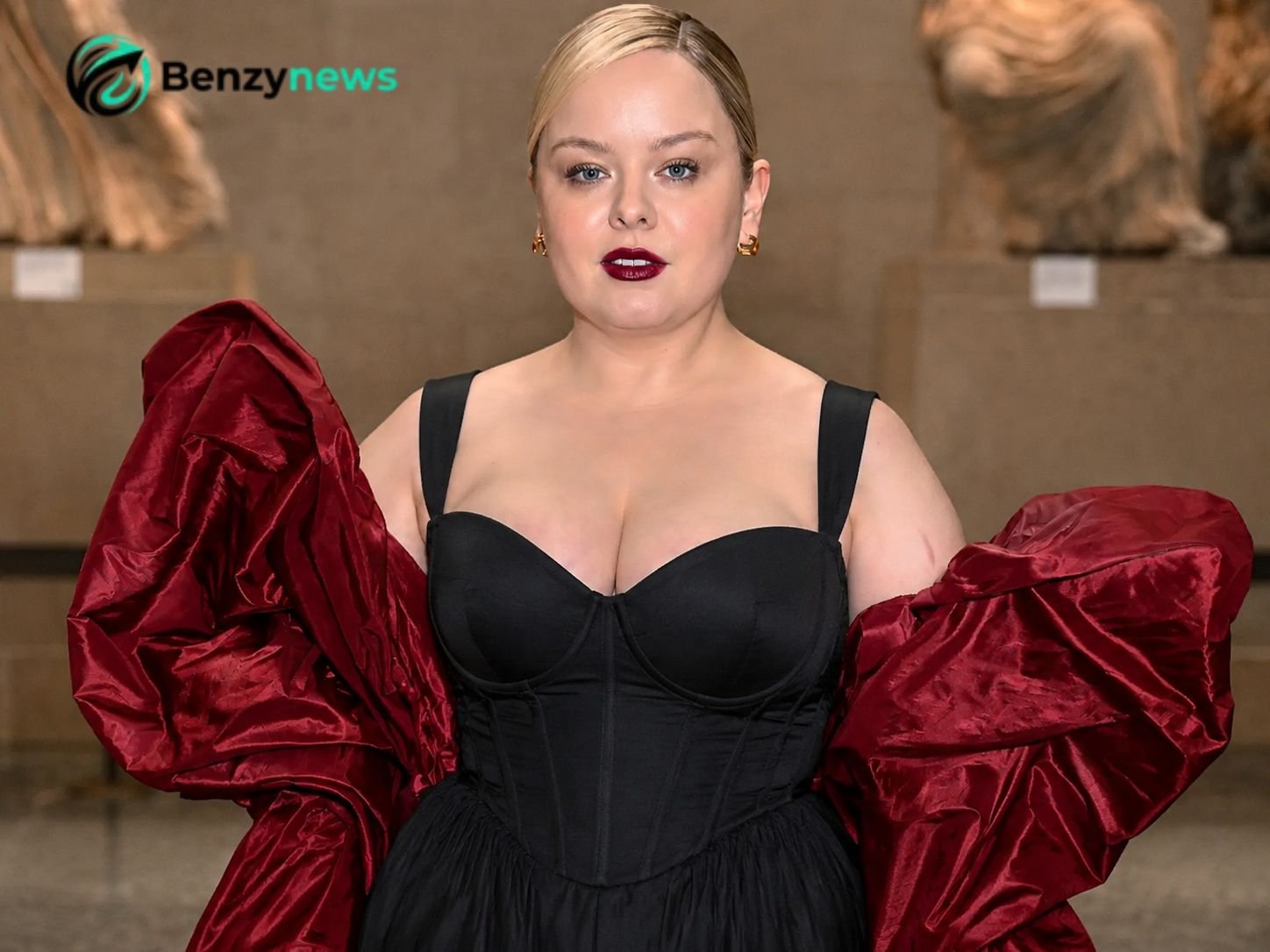
Searches for Nicola Coughlan weight loss increased after the Irish actress appeared in the third season of Netflix’s Bridgerton, with many fans commenting on changes in her appearance. However, Nicola Coughlan has repeatedly spoken about the uncomfortable attention placed on her body and has made it clear that public discussions about her weight often distract from her acting work.
While there has been widespread online discussion about her transformation, there is no reliable public confirmation of an exact amount of weight Nicola Coughlan has lost, a specific diet plan she followed, or a detailed fitness routine. The actress has discussed body image, corsetry for Bridgerton, and the pressure of being labelled because of her appearance, but she has not released a formal weight-loss programme or before-and-after statistics.
Why People Started Talking About Nicola Coughlan’s Weight Loss
Nicola Coughlan became internationally recognised through roles such as Clare Devlin in Derry Girls and Penelope Featherington in Netflix’s Bridgerton. Her leading role in Bridgerton Season 3 brought increased media attention, especially because Penelope’s storyline involved confidence, romance, and personal transformation.
During promotion for the season, many interviews and online discussions focused on Coughlan’s body rather than her performance. She explained that she found this focus frustrating because she had worked hard as an actor and did not want her appearance to become the main conversation.
Some online posts claimed specific numbers regarding her weight loss, but those figures are not supported by reliable statements from Coughlan herself or official sources. A responsible discussion of her appearance should focus on what she has actually said rather than repeating internet speculation.
Did Nicola Coughlan Confirm Losing Weight?
Nicola Coughlan has acknowledged changes in her body during her career, but she has not publicly confirmed a precise weight-loss figure.
In interviews, she has discussed how people reacted to her appearance during Bridgerton Season 3. She explained that she wore a corset while filming and pushed back against assumptions and labels placed on her body.
Coughlan also criticised the way society often reduces women in entertainment to conversations about size and appearance. In an interview with TIME, she discussed how questions about her body became a repeated theme during the promotion of Bridgerton, despite her focus being on acting and storytelling.
The key point is that a change in appearance does not automatically provide information about someone’s health, habits, or personal choices.
Nicola Coughlan’s Views on Body Image
Rather than presenting herself as a weight-loss influencer, Coughlan has spoken about wanting people to stop making assumptions about her body.
She has previously asked people online to avoid commenting on her weight and appearance. The actress has explained that constant discussion about her body can be invasive and reduce her achievements to how she looks.
Coughlan has also challenged the idea that actors should be judged differently because of their size. She has pointed out that women of different body types deserve to see themselves represented on screen without their bodies becoming the central topic of discussion.
Did Bridgerton Corsetry Change Nicola Coughlan’s Appearance?
One reason viewers noticed a difference in Nicola Coughlan’s appearance during Bridgerton was the use of period costumes, including corsets.
Coughlan has spoken about wearing corsetry for the show and explained that historical costumes shaped the silhouette required for the character. She also responded to online speculation about edited images, explaining that wearing corsets for long periods affected how her body appeared during filming.
Costume design plays a major role in period dramas. Clothing, posture, lighting, camera angles, and styling can all influence how an actor appears on screen.
Has Nicola Coughlan Shared a Diet or Workout Routine?
No. There is no reliable public record of Nicola Coughlan sharing a specific diet plan, exercise programme, medication, or weight-loss method.
Many celebrity weight-loss stories online include claims about diets, supplements, or fitness routines that are not verified. In Coughlan’s case, the actress has focused more on discussing privacy, body expectations, and the pressure of public commentary rather than providing details about changing her body.
Because personal health choices are private, assumptions based only on photographs are not reliable.
Why Celebrity Weight Loss Stories Attract Attention
The interest in Nicola Coughlan’s appearance reflects a wider trend in entertainment media. Celebrities often experience intense public discussion when their bodies change, whether through ageing, styling, roles, health circumstances, or personal choices.
However, appearance alone cannot explain the reasons behind physical changes. A person’s weight can be influenced by many factors, including genetics, lifestyle, health, stress, professional requirements, and natural changes over time.
For public figures, repeated focus on weight can also overshadow professional achievements. In Coughlan’s case, her performances in Derry Girls, Bridgerton, and other projects remain the foundation of her career.
Nicola Coughlan’s Career Beyond Weight Discussions
Nicola Coughlan was born in Galway, Ireland, in 1987 and became known internationally through comedy and drama roles. She gained recognition as Clare Devlin in Derry Girls before becoming one of the main stars of Bridgerton as Penelope Featherington.
Her career includes theatre, television, and film work, and she has received significant attention for her acting performances rather than only her appearance.
The ongoing discussion around Nicola Coughlan weight loss shows how quickly public conversations can shift from an actor’s work to their body. Coughlan’s own comments suggest that she would prefer audiences to focus on her performances, characters, and creative achievements.
Frequently Asked Questions
How much weight did Nicola Coughlan lose?
There is no reliable public confirmation of an exact amount of weight Nicola Coughlan lost. Online claims about specific numbers have not been verified by the actress or official sources.
Did Nicola Coughlan follow a special diet?
Nicola Coughlan has not publicly confirmed a specific diet plan or weight-loss method.
Did Nicola Coughlan lose weight for Bridgerton?
There is no official confirmation that she lost weight specifically for Bridgerton. She has discussed costumes, corsetry, and body-related media attention surrounding the show.
What has Nicola Coughlan said about body comments?
Coughlan has criticised the focus on her body and said that discussions about her appearance often distract from her work as an actor.

Beth Shuey first became known to the wider public through her long marriage to NFL coach Sean Payton. For years, she appeared mainly in the background of a high-profile football story—raising a family while Payton built his coaching career and eventually led the New Orleans Saints to a Super Bowl championship.
That description, however, no longer captures the whole picture. Since her divorce, Shuey has developed a more public identity as an author, Christian care leader, speaker, and founder of Beautiful Ashes Ministries. Her work focuses largely on divorce, emotional recovery, faith, family relationships, and rebuilding life after a painful personal crisis.
Who Is Beth Shuey?
Shuey is an Indiana State University graduate who met Sean Payton while he was beginning his college coaching career. Public accounts generally place their marriage in 1992. They were together for nearly two decades before divorce proceedings began in 2012.
The former couple have two children: Meghan Payton, born in 1997, and Connor Payton, born in 2000. Although Shuey maintained a relatively private profile during most of her marriage, public interest in her increased after the divorce, the release of the Netflix film Home Team, and the publication of her book Beautiful Ashes.
Reliable information about her early years remains limited. Numerous biography websites list 1968 as her birth year and Morocco, Indiana, as her hometown. These details have been repeated widely, but her exact date of birth does not appear in the publicly available author biography or ministry profile. Claims about her precise age should therefore be treated cautiously.
What is more firmly established is her connection to Indiana State University. Sean Payton coached at Indiana State early in his career, and accounts of their relationship say they met during that period. Shuey’s later author biography also emphasizes her small-town background and the importance of family in her life.
Marriage to Sean Payton and Life Around Football
When Shuey married Payton, he was still moving through the early stages of a coaching career that would take the family across the country. He held college and professional assistant positions before becoming head coach of the New Orleans Saints in 2006.
The move placed the family at the center of one of the NFL’s most closely watched rebuilding stories. New Orleans was still recovering from Hurricane Katrina, and the Saints quickly became a symbol of the city’s resilience. Payton led the team to victory in Super Bowl XLIV following the 2009 season.
For Shuey, the public success also meant living alongside the pressures of professional football. Coaching at that level involves long working hours, frequent travel, intense media attention, and regular relocation. While Payton became a nationally recognized figure, she focused largely on family life and raising Meghan and Connor.
The family eventually moved from the New Orleans area to Westlake, Texas. In 2012, Sean filed for divorce in Tarrant County. Beth responded with a separate petition concerning custody and support arrangements. Contemporary reporting described them as a couple of nearly 20 years with two children. The divorce was later finalized in 2014. The publicly reported court records provided the formal grounds for the case, but they did not offer a complete account of the private circumstances behind the separation. Sensational claims published elsewhere should not be treated as established fact. The Associated Press reported the original filings through ESPN.
Meghan and Connor Payton
Both of Shuey’s children have maintained connections to the sports world.
Meghan studied sports journalism and media production at Pepperdine University before working in broadcasting and production. Her professional experience has included roles connected with NFL Network, Fox Sports, the Action Network, SportsGrid, and FanDuel TV. She also helped develop the original story that eventually became Home Team.
Connor attended Texas Christian University and has expressed interest in working in an NFL front office. He gained experience with the Saints’ scouting department and grew up closely connected to the organization.
The family’s most widely dramatized episode occurred during Sean Payton’s 2012 suspension from the NFL. He spent part of that period helping coach Connor’s sixth-grade football team in Texas. That season became the basis for Home Team, although the film changed or simplified several aspects of the family’s real circumstances.
Remarriage and a New Direction
After the divorce, Shuey eventually married Jamie McGuire, a real estate professional. Public reports place their wedding in 2020. She subsequently began using the name Beth Shuey McGuire in connection with her book, podcast, and public appearances.
A 2022 author biography said that Beth and Jamie were living in Raleigh, North Carolina, at the time. It described Jamie as an experienced real estate agent and noted that the couple enjoyed hiking, particularly in the Blue Ridge Mountains. Because residences can change, that information should not automatically be treated as confirmation of where they live now.
Her second marriage is sometimes confused with the events depicted in Home Team. In the film, Beth is already married to a character named Jamie during the 2012 football season. In reality, her marriage to McGuire occurred years later. The movie’s version of Jamie is therefore a fictionalized addition rather than an accurate representation of the family situation at that time.
Beth Shuey and the Story Behind Beautiful Ashes
Shuey’s most significant public work is Beautiful Ashes, a faith-centered book published in 2022 and developed with Victor Fadool. It describes her emotional and spiritual recovery from a painful, highly visible divorce.
The book is not presented simply as a celebrity memoir. Its central purpose is to help readers who feel trapped by grief, rejection, regret, family breakdown, or another major loss. Shuey uses her experience as the foundation for a Christian message about rebuilding life through faith, accountability, prayer, relationships, forgiveness, and service.
Its structure follows several stages of recovery. These include confronting the lowest point of a crisis, establishing a new foundation, creating space for prayer, accepting support from a community, finding direction, healing family relationships, and turning personal pain into a larger purpose.
This progression matters because it shows how Shuey understands recovery. She does not describe it as an immediate transformation or a matter of simply deciding to feel better. Instead, her message emphasizes gradual rebuilding—first acknowledging the damage, then creating stability, and finally using the experience to support others.
Before founding her ministry, Shuey served as a Divorce Care Leader and one-on-one Care Coach at Cross Timbers Church in Argyle, Texas. According to her official profile, that work strengthened her interest in assisting women facing divorce and couples experiencing serious marital difficulties.
It is important to understand the nature of this role. Public materials describe Shuey as an author, ministry leader, and care coach, not as a licensed psychotherapist. Her work is best viewed as faith-based guidance and peer support. People dealing with severe depression, trauma, abuse, or an immediate mental-health crisis may also need assistance from a qualified medical or counseling professional.
From Book to Ministry and Podcast
Following the publication of her book, Shuey founded Beautiful Ashes Ministries. The organization primarily works with women who feel emotionally or spiritually “stuck.” Its programs include workshops, speaking events, community activities, and Christian retreats.
The ministry’s stated approach involves stepping away from everyday distractions, spending time in prayer and Scripture, journaling, building supportive relationships, and reflecting on difficult experiences. Its retreats have been held in Texas and combine Christian teaching with quiet time, group discussion, worship, outdoor activities, and personal reflection.
Shuey and Fadool also created the Beautiful Ashes Podcast Series. Its eight episodes expand on the book’s framework, with individual discussions devoted to subjects such as vulnerability, spiritual foundations, prayer, community, direction, family, and personal mission. The series ran from late 2022 into 2023 and allowed them to discuss the material in a more conversational format.
Her Portrayal in Home Team
Netflix released Home Team in 2022, with Kevin James playing Sean Payton and Jackie Sandler portraying Beth. The comedy is based loosely on Payton’s season helping coach Connor’s youth team.
The film introduced Shuey to viewers who knew little about the Payton family outside football. Still, it should not be mistaken for a documentary. Characters, relationships, and events were adjusted for humor and a family-friendly storyline. Most notably, Rob Schneider’s Jamie is depicted as Beth’s husband during the 2012 season even though the real marriage occurred much later. Read more:
What Is Not Reliably Known
Several websites publish exact figures for Shuey’s height, weight, age, property holdings, and personal wealth. Much of this information appears to come from other biography pages rather than financial records, direct interviews, or official documents.
Her net worth, in particular, is not publicly verified. Estimates commonly circulated online should not be presented as fact because the terms of her divorce settlement, current earnings, book income, property ownership, and private finances are not fully public.
The same caution applies to claims about her present residence and detailed family background. Shuey now maintains a public ministry, but she has not made every part of her private life available for public examination.
Conclusion
Beth Shuey’s public story began beside one of the NFL’s best-known coaches, but it did not end with their divorce. She has since used her experience of loss and recovery to build a new role as an author, Christian care leader, speaker, and ministry founder.
Her work is deeply rooted in her faith and will naturally speak most directly to readers who share that perspective. Even so, the broader theme is easy to understand: a painful chapter can become the starting point for a different kind of life. In Shuey’s case, private hardship eventually led to public work centered on hope, community, and helping others rebuild.
Frequently Asked Questions
Why is Beth well known?
She is widely known as the former wife of NFL coach Sean Payton. She later gained recognition through her book Beautiful Ashes, its companion podcast, and Beautiful Ashes Ministries.
Is she still married to Sean Payton?
No. Divorce proceedings began in 2012, and the divorce was finalized in 2014 after a marriage lasting more than two decades.
Who are her children?
She has two children with Sean Payton: daughter Meghan Payton and son Connor Payton. Meghan works in sports media, while Connor has pursued experience related to football operations and scouting.
Who is her current husband?
Public author materials identify Jamie McGuire as her husband. Reports state that they married in 2020, and she has used the name Beth Shuey McGuire professionally.
What is her net worth?
There is no reliably verified public figure for her net worth. Estimates found on biography and celebrity-finance websites are speculative and should not be treated as confirmed financial information.
Read more:Nia Novella Travilla: The Private Story Behind a Famous Hollywood Family
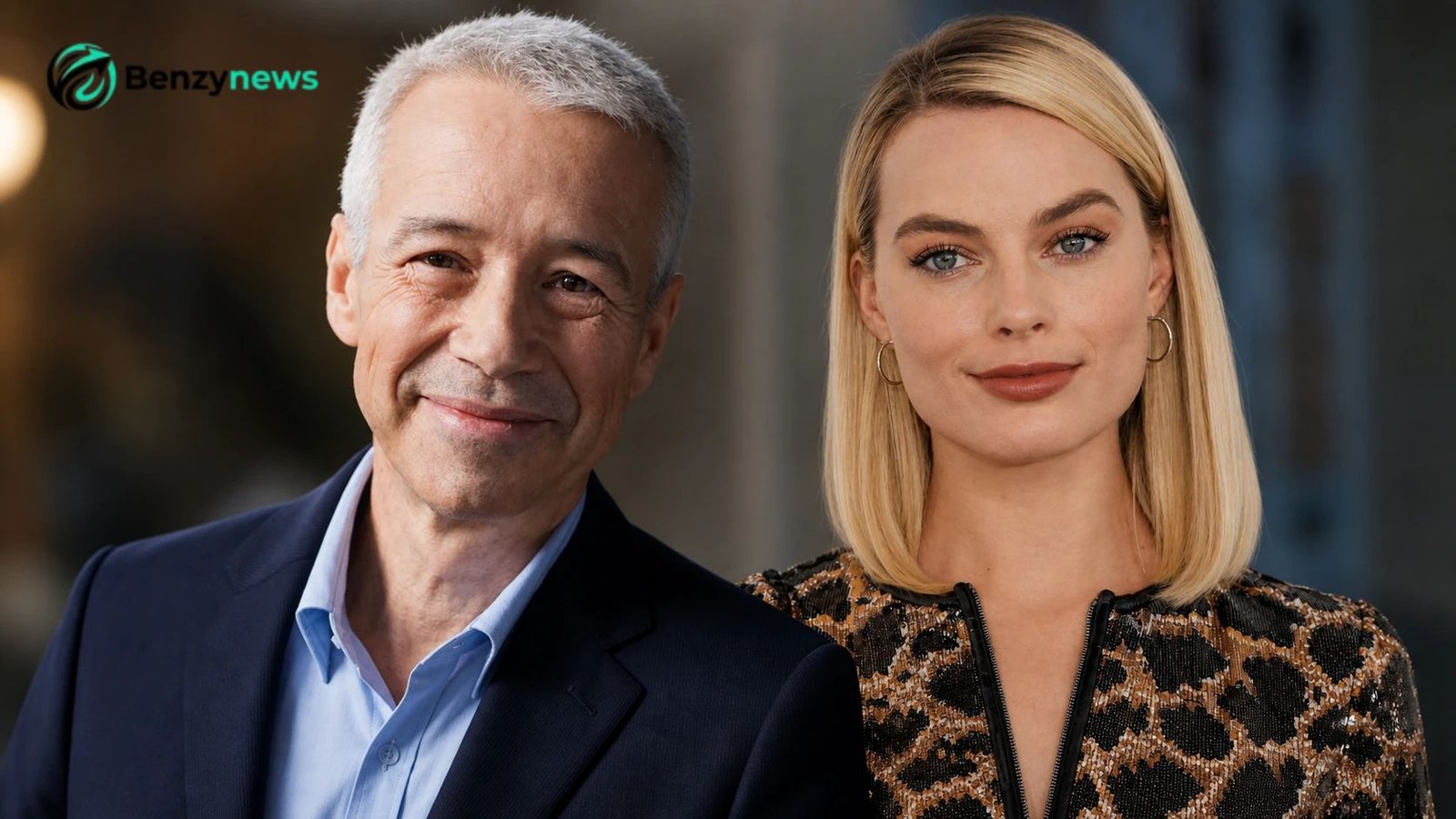
The pairing of Joaquin Duato and Margot Robbie may look like the start of a business partnership, celebrity story, or unexpected family connection. In reality, reliable public information does not show any personal, professional, or family relationship between them.
They are prominent figures, but in entirely different industries. Duato is a Spanish-American business executive who leads Johnson & Johnson, while Robbie is an Australian actress and producer known for films such as I, Tonya, Barbie, and The Wolf of Wall Street. No reputable report identifies a joint project, public appearance, commercial partnership, or private relationship involving the two.
The interest surrounding their names appears to be largely search-driven. Understanding who they are individually—and separating verified information from online speculation—provides a much clearer picture.
Who Is Joaquin Duato?
Joaquin Duato is the chairman and chief executive officer of Johnson & Johnson, one of the world’s largest healthcare companies. He became CEO in January 2022 and added the chairman’s role in January 2023. His career with the company began in 1989, when he joined Janssen Pharmaceuticals in Spain. He later worked across different countries, business divisions, and senior leadership positions.
Duato is a dual citizen of Spain and the United States. He earned an MBA from ESADE in Barcelona and a master’s degree in international management from Thunderbird School of Global Management in Arizona. His long international career helped prepare him to manage a corporation operating across complex healthcare markets and regulatory systems.
Under his leadership, Johnson & Johnson has concentrated its main business on Innovative Medicine and MedTech. Its priority areas include oncology, immunology, neuroscience, cardiovascular medicine, surgery, and vision care. The company’s consumer health division, which included familiar product brands, was separated into the independent company Kenvue. Johnson & Johnson’s official profile describes Duato’s focus as combining scientific expertise, technology, and organizational scale to address major health challenges.
His public role is very different from that of a traditional celebrity. He is most visible at investor meetings, healthcare conferences, policy discussions, and corporate events. Decisions made under his leadership can influence drug research, medical technology, global supply chains, and access to healthcare products.
Duato has also emphasized the importance of technology in medicine, particularly the use of data, machine learning, and other advanced tools in research and business operations. That does not make him a scientist or physician; his position is primarily one of corporate leadership, strategy, and accountability.
Margot Robbie’s Career Beyond Acting
Margot Robbie first became widely known through acting, but her work as a producer is now equally important to understanding her career. Born in Queensland, Australia, she established herself on the Australian television series Neighbours before moving into American film and television.
Her performance in The Wolf of Wall Street brought international attention. She later appeared as Harley Quinn in several DC films and took on roles in productions ranging from historical dramas to independent character studies. Her performance as figure skater Tonya Harding in I, Tonya earned her an Academy Award nomination for Best Actress. She received another acting nomination for her supporting performance in Bombshell.
Robbie’s development into a producer changed the direction of her career. She co-founded LuckyChap Entertainment with Tom Ackerley, Josey McNamara, and Sophia Kerr. The company has been involved in films and television productions including I, Tonya, Promising Young Woman, Maid, Saltburn, and Barbie.
Through LuckyChap, Robbie has helped develop projects even when she does not appear on screen. That distinction matters because it gives her influence over the selection of stories, writers, directors, and other creative partners. She is not simply hired to perform after a project has been assembled; she can participate in building it from an earlier stage.
Her producing work on Barbie resulted in an Academy Award nomination for Best Picture, shared with the film’s other nominated producers. Combined with her nominations for I, Tonya and Bombshell, it brought her total to three Oscar nominations across acting and producing categories. The Academy’s official record lists Robbie among the nominated producers of Barbie.

Is There a Verified Connection Between Joaquin Duato and Margot Robbie?
There is no confirmed connection between the two public figures. They do not work in the same industry, have not announced a partnership, and are not known to be related. Major biographical profiles, company announcements, film records, and reputable news coverage provide no evidence of a shared venture.
There is also no credible indication of a romantic connection. Robbie is married to producer Tom Ackerley, one of her LuckyChap partners. Duato is also married and has two adult children, according to published professional profiles.
The absence of a documented relationship is the central fact readers should keep in mind. Online articles sometimes place unrelated names together and then create a broad comparison between them. A comparison can be interesting, but it should not be mistaken for evidence that the subjects know each other.
One possible source of confusion is Duato’s own family connection to entertainment. He is the brother of Spanish actress Ana Duato, best known for her long-running role in the television drama Cuéntame cómo pasó. Spanish newspaper El País has identified Joaquin and Ana Duato as siblings. That connection places an actress in his family, but it does not link him to Robbie.
Why Are Their Names Appearing Together Online?
Search trends can develop without an underlying news event. A phrase may begin appearing because a website publishes an article about it, other sites reproduce the same topic, and search engines detect increasing interest. Readers then search the phrase to discover why it exists, creating a loop in which curiosity produces more curiosity.
Some websites also combine well-known names to attract visitors. These pages may use vague language such as “the surprising connection” or “what you need to know” without providing a verifiable event. If the article never identifies a specific meeting, contract, production, campaign, interview, or family relationship, its central suggestion may have no factual foundation.
Their names may also be paired because both represent leadership, although in very different forms. Duato manages a multinational healthcare organization. Robbie combines a public acting career with decision-making behind a production company. That offers material for a comparison of influence, ambition, or management style—but comparison is not connection.
Two Very Different Public Careers
| Area | Joaquin Duato | Margot Robbie |
|---|---|---|
| Primary field | Healthcare and corporate management | Film and television |
| Best-known position | Chairman and CEO of Johnson & Johnson | Actress and producer |
| Professional platform | Innovative Medicine and MedTech | LuckyChap Entertainment and acting projects |
| Career foundation | Long-term advancement within one global company | Acting followed by production and project development |
| Main public influence | Healthcare strategy, research investment, and business operations | Performances, storytelling, and creative production |
| Confirmed joint work | None publicly documented | None publicly documented |
The comparison highlights how modern influence operates through different systems. Duato works through a large corporate structure in which major decisions involve researchers, regulators, investors, healthcare professionals, and patients. Robbie operates in a creative industry built around scripts, financing, talent, distribution, and audiences.
Both positions require judgment, team selection, and the ability to manage risk. The risks themselves, however, are not comparable. A pharmaceutical or medical-device decision can affect clinical development and patient care. A film decision involves financial exposure, artistic reputation, and audience response. Treating these careers as interchangeable would overlook the responsibilities unique to each field.
How to Evaluate Claims About a Possible Link
A genuine connection between major public figures normally leaves a clear record. A business collaboration may appear in a company announcement. A film partnership should be visible in production credits or entertainment trade publications. A public campaign would usually be documented by the organization involved.
Specific details are more trustworthy than suggestive headlines. A credible report should explain what happened, where it was announced, which organization was involved, and what role each person played. Claims repeated across several small websites are not automatically confirmed, especially when those pages appear to rely on one another.
It is also worth distinguishing between “no public evidence” and proof that two people have never met. Public records cannot establish every private encounter. They can, however, show whether there is a meaningful, documented relationship relevant to readers. In this case, none has been established.
What Joaquin Duato and Margot Robbie Actually Have in Common
Joaquin Duato and Margot Robbie are internationally recognized figures who have moved beyond narrow job descriptions. Duato progressed through Johnson & Johnson to lead the wider organization, while Robbie expanded from acting into film and television production. Both have influence over large teams and high-value projects, but their careers remain separate.
The most accurate conclusion is straightforward: there is no verified personal, professional, or family connection between them. Their appearance in the same search phrase should not be treated as evidence of a hidden relationship. Until a reliable organization or reputable publication reports a specific link, claims suggesting otherwise should be viewed cautiously.
FAQs
Are Joaquin Duato and Margot Robbie related?
No. There is no reliable public evidence that they are related.
Have they worked on a project together?
No joint film, healthcare campaign, business venture, or other professional project has been publicly documented.
Is Joaquin Duato an actor?
No. He is a business executive and the chairman and CEO of Johnson & Johnson. His sister, Ana Duato, is a Spanish actress.
Why are the two names searched together?
The precise origin is unclear. The pairing may result from search trends, content aggregation, name confusion, or articles comparing two successful people from unrelated industries.
Who is Margot Robbie married to?
She is married to British producer Tom Ackerley, who is also one of the co-founders of LuckyChap Entertainment.
Also Read :Kitty Donnelly: What Is Known About Johnny Vegas’s First Wife


 Celebrities2 months ago
Suzanne Chase: What Is Known About Chevy Chase’s First Wife?
- Celebrities2 months ago
Sherrill Redmon: The Historian, Feminist, and Archivist Behind a Remarkable Career
- Tech1 month ago
Stay Always Updated With TXEPC: A Practical Guide for Regular Readers
- Tech1 month ago
TheLaptopAdviser Expert Reviews: What Buyers Should Know Before Choosing a Laptop
- Celebrities2 months ago
Amy Sherrill: The Private Life of Tim Duncan’s Former Wife
- News1 month ago
OnlyWorkMoods com Explained: What the Website Publishes and How Useful It Really Is
- Celebrities2 months ago
Laurie Holmond: The Private Life Behind a Well-Known Name
- Tech1 month ago
SFM Compile: A Practical Guide to Preparing Models for Source Filmmaker